By Tantri Wija
IF YOU WANT TO GET A FEEL for “old Seattle,” obvious destinations are Pioneer Square and Pike Place Market. Those spots are heavily storied and plaqued and photographed, but they are also teeming with tourists. To really feel what it was like to be in early 20th-century Seattle, your best bet is to visit Georgetown, located in South Seattle along the Duwamish Waterway.
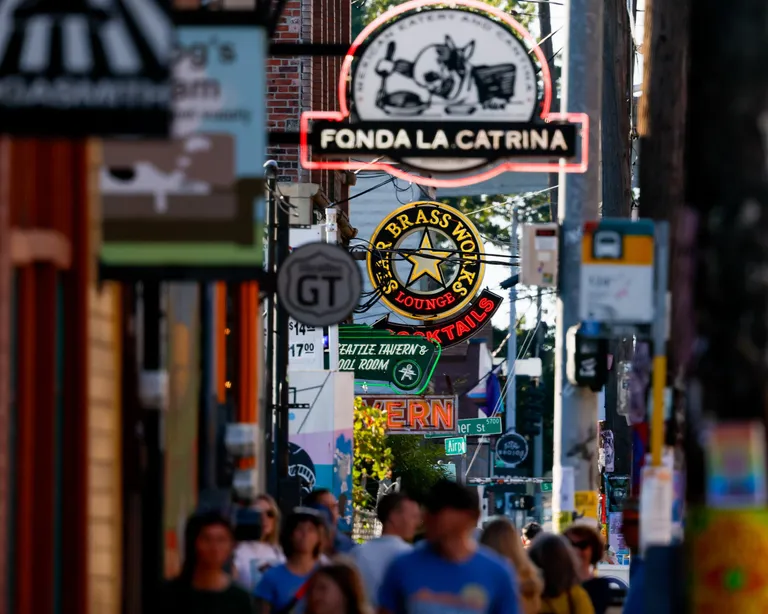
Arguably the loveliest part of the neighborhood is what is sometimes referred to as the Georgetown strip, consisting of several blocks of old brick buildings and mural-clad alleys lining Airport Way South. Here, many of the structures housed mostly German and Italian immigrants who worked nearby 100 years ago. Businesses included the original Rainier brewery, built in 1896 for the Seattle Brewing and Malting Co. Now the area’s buildings have more of a blue-collar/indie/punk vibe.
The neighborhood recently received official designation from the city of Seattle as an arts and cultural district for its efforts in supporting the work of artists.
Many of Georgetown’s present-day saloons and restaurants occupy buildings that were saloons and restaurants back then, too, and have the character to prove it. Among them are Star Brass Works, 9lb Hammer and Jules Maes Saloon, the first two being watering holes owned by Scott Horrell.
Georgetown is “definitely a bar neighborhood, and it’s kind of late-night,” says Horrell says. “We catch a lot of people leaving downtown, not too far from the stadiums.”
Just south of the Georgetown strip is the King County International Airport, aka Boeing Field, where Boeing was headquartered from 1917 to 1965. Planes still fly overhead frequently and the company maintains a nearby footprint. “We still have quite a few customers from Boeing,” Horrell says. “It’s a pretty diverse crowd.”
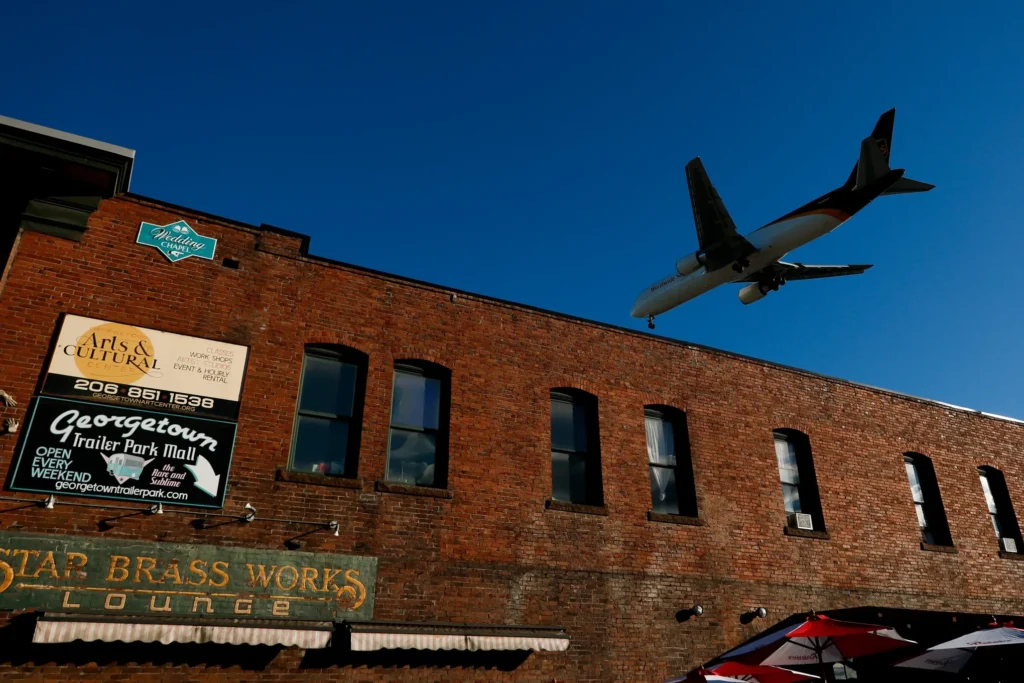
Because of how the area is zoned, Georgetown has relatively few residents (only 1,708 people in 2025, according to the City of Seattle) compared to the 50,000-60,000 who work in its architecture firms, design and construction offices, industrial companies, distilleries and more. It’s also subject to height limits on buildings that restrict development, keeping the neighborhood both short and sweet.
A group of settlers called the Collins Party, named after their leader, Luther Collins, arrived in the Tukwila area in late summer or early fall of 1851, just before the famed Denny Party arrived on Alki. Soon after, the Collins settlers platted the beginnings of what is now Georgetown around the then-meandering Duwamish River, forcing the displacement of the area’s Duwamish people. Collins was tried and acquitted of the 1853 lynching of an Indigenous man named Masachie Jim. Collins’ own life ended by drowning in the Snake River in Idaho in 1862.
In 1871, some of the sprawling Collins property was purchased by Julius Horton (brother of banker Dexter Horton), a developer who was foundational to the growth of the neighborhood, which he named after his eldest son. Georgetown became a city in 1904, and was annexed by Seattle in 1910.
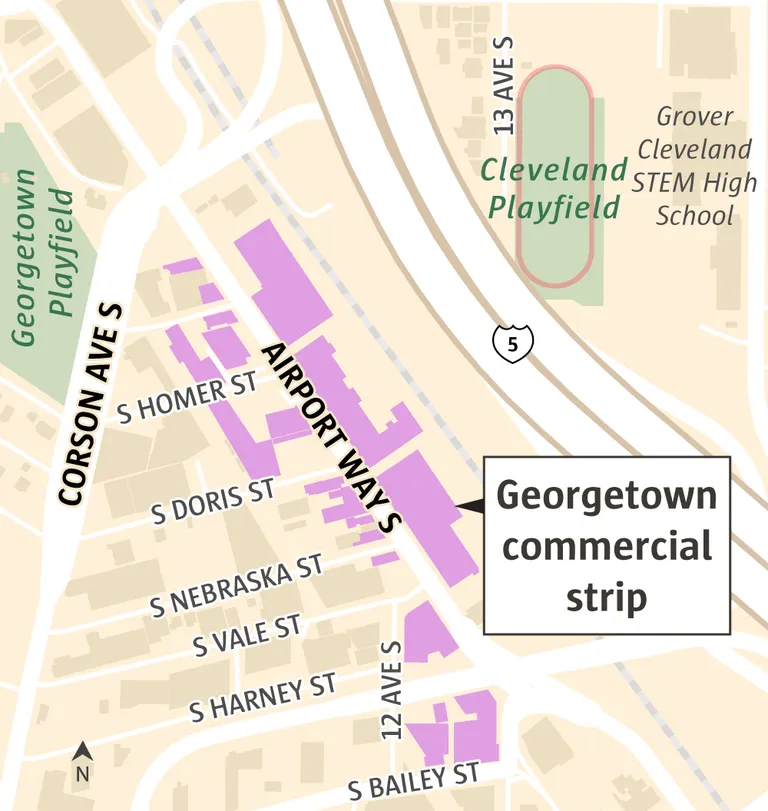
More info: The Georgetown Community Council, a nonprofit, lists events and happenings at georgetowncommunitycouncil.com.
History buff John Bennett began buying up neighborhood properties in 1996. Bennett unapologetically prefers old things to new, so preserving the historic flavor of Georgetown is important to him. Upstairs from the strip’s historic bars are apartments, some of them still rented as they were originally. Others now function as artist studios, and Bennett populates his properties with local businesses and artists rather than corporate chains, even if it means sometimes accepting pieces of art in lieu of rent.
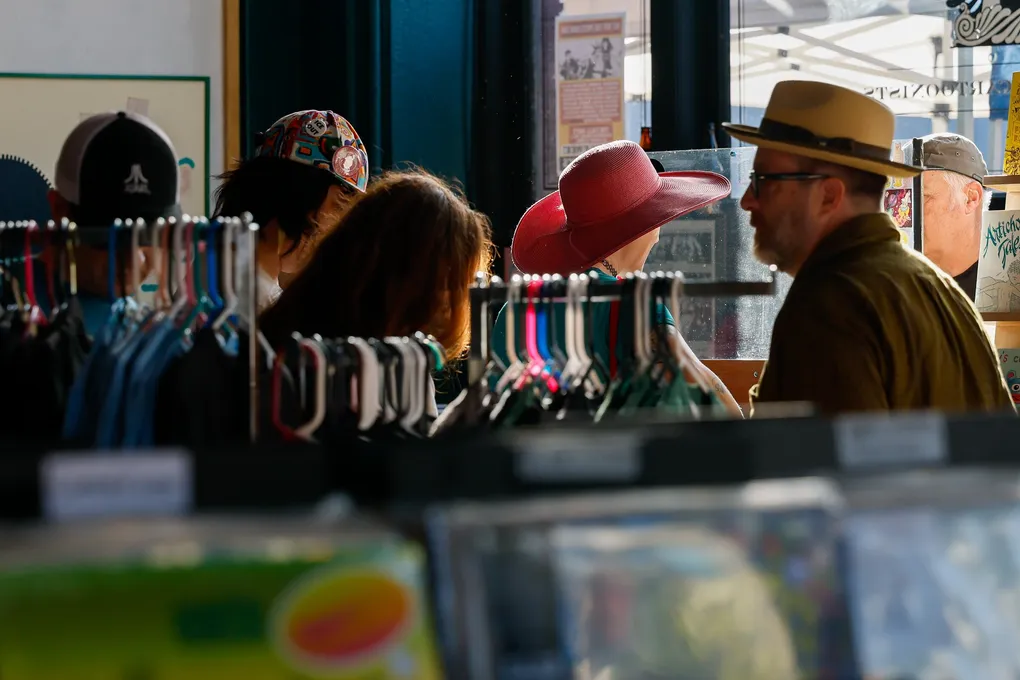
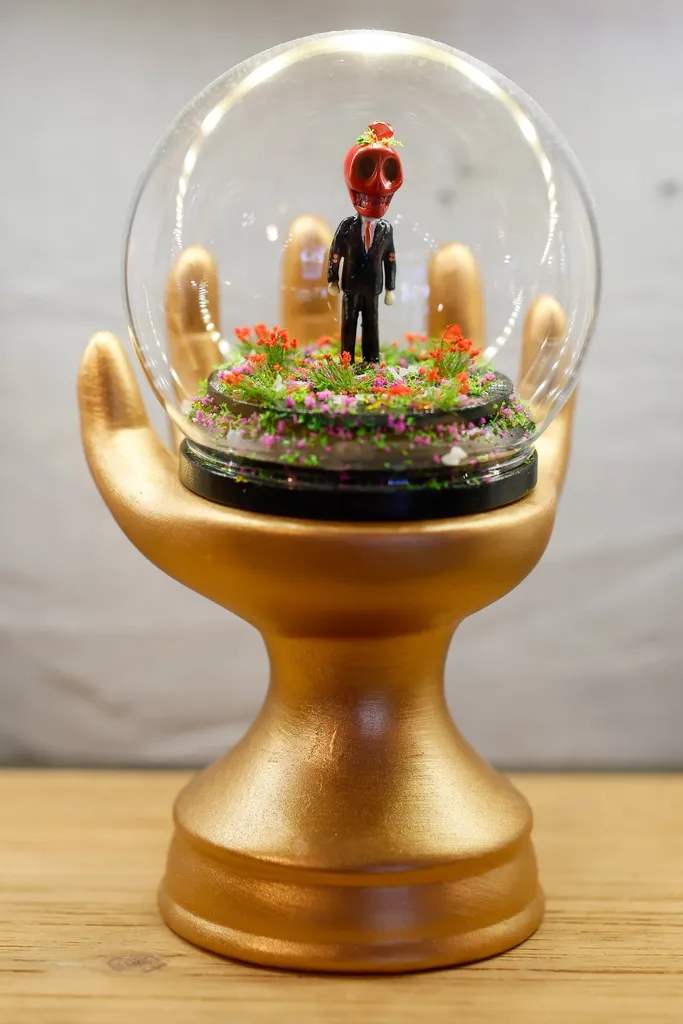
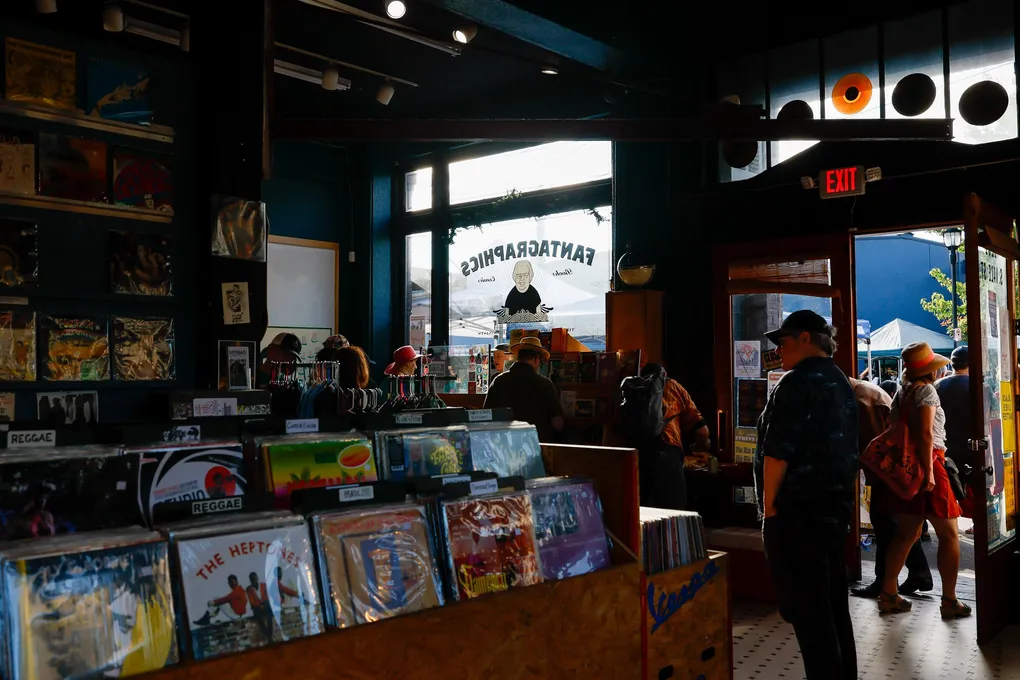
Bennett’s buildings house independent coffee shops like All City Coffee and Brother Joe; specialty beer and wine shop Full Throttle Bottle; the celebrated gallery and shop for the counterculture-focused Fantagraphics, a longtime publisher of graphic novels; and Georgetown Records, which specializes in used vinyl of all genres. The latter two businesses share the former space of a custom motorcycle shop called Lucky’s Choppers, which served as an unofficial headquarters for local biker culture before its closure in 2008.
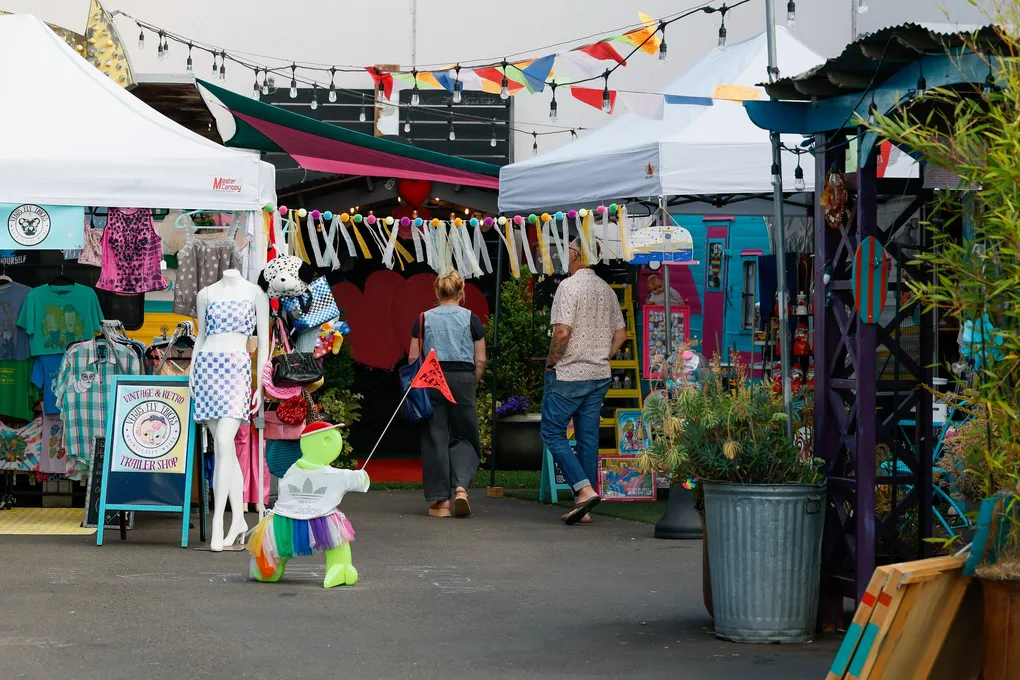
Adding to the strip’s old-Seattle flavor is the Georgetown Trailer Park Mall, a cluster of vintage trailers filled with petite shops and galleries. Open on weekends, the mall is often abuzz during the neighborhood’s various street fairs and events. One trailer park business is Shotgun Ceremonies, a full-service wedding chapel that offers quick romantic elopements out of a shipping container.
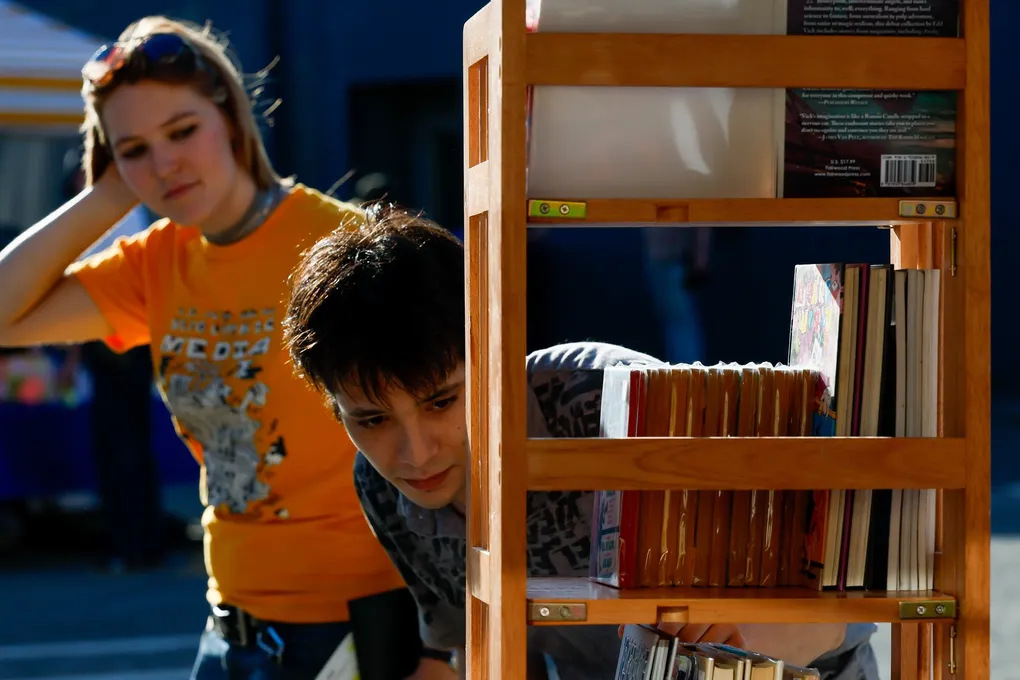
And though the actual residential population remains low, for people like Horrell and Bennett, the neighborhood is not just a district but a home.
“If you come in the morning, you can probably see the owner of the business sweeping out front or down at All City Coffee,” says Bennett, “and then in the evening, you can probably see them down at 9lb Hammer having a beer.
“It’s just … real.”
1898: Year the structure that houses Jules Maes Saloon was built
25: Number of properties owned by John Bennett in Georgetown
$500 and up: Cost for a wedding at Shotgun Ceremonies
1883: Year the first brewery was established in the neighborhood